Can foreigners buy property in Costa Rica? How it works.
Can Foreigners Buy Property in Costa Rica?
One of the first questions people ask when considering a move to Costa Rica is:
“Can I actually buy property in Costa Rica as a foreigner?”
The good news is: yes, you can.
Foreigners can generally buy and own titled property in Costa Rica without becoming a Costa Rican resident or citizen first.
Whether you are from the United States, Canada, Europe or elsewhere, you can generally purchase a home or land here. You can also buy before deciding whether Costa Rica will become your permanent home.
This makes buying property in Costa Rica as a foreigner relatively straightforward from an ownership perspective.
There is, however, an important exception to understand when looking at some coastal properties. Certain properties within Costa Rica's Maritime-Terrestrial Zone are governed by different rules and may involve concession rights rather than ordinary titled ownership. If you are considering beachfront property, specialized legal advice is especially important.
So, yes—you can buy property here.
But that usually leads to the much bigger question:
How Does Buying a House in Costa Rica Actually Work?
This is where things become more interesting.
If you're coming from another country, the process may be different from what you're used to. There are attorneys, agents, inspections, surveys, due diligence, deposits, escrow and eventually closing.
It may sound like a lot at first, but when you have the right people around you and understand everyone's role, the process becomes much easier.
Step 1: Come to Costa Rica and Explore
Before buying, I strongly recommend spending time in the areas you're considering.
Online research is a great starting point, but Costa Rica is a country you need to experience.
A beautiful listing can't tell you everything.
How is the road? How does the neighborhood feel? Is it hotter or cooler than you expected? How far are you from town? Is the property private? Is the drive something you would be happy doing every day?
This is especially true around Atenas, Costa Rica. Within a relatively small area, elevation, temperature, views, roads and surroundings can change considerably.
When I start working with a buyer, I therefore don't only ask:
“How many bedrooms do you need?”
I want to know how you want to live.
Do you want to be close to town? Do you want a gated community? Lots of land? Mountain views? Privacy? Space for guests? Are you retiring here, moving permanently or looking for a second home?
Once we understand the lifestyle, finding the right property becomes much easier.
Step 2: Understanding the Role of Your Real-Estate Agent
Your real-estate agent is usually the person beside you throughout the practical side of the process.
My job is not simply to open doors.
I help you understand the different areas, select properties that make sense for you, arrange showings, provide local market knowledge, communicate with sellers or their agents, negotiate the offer and coordinate the transaction as it moves forward.
I also want you to look beyond the house itself.
Where does the water come from? How is the access? What is included in the sale? Where are the boundaries? What is happening around the property? Are there practical issues we should investigate?
A good agent should also be comfortable pointing out the not-so-perfect things.
If I see something that concerns me, I want to talk about it—not hope you don't notice it.
But there is an important distinction:
Your real-estate agent guides the property search and commercial side of the transaction. Your attorney handles the legal side.
Step 3: Finding a Good Costa Rican Real-Estate Attorney
Once you are serious about buying, having an experienced Costa Rican real-estate attorney is extremely important.
The attorney represents your legal interests.
Your attorney can review or prepare the purchase agreement and investigate the legal status of the property during due diligence.
Depending on the property and transaction, this can include reviewing ownership, liens, mortgages or other recorded encumbrances, the registered survey or plano, legal access, taxes, corporate matters when applicable and other relevant documentation.
Your attorney also guides you through the legal aspects of closing and registration.
I like to explain it very simply:
I help you decide if this is the right property to buy.
Your attorney helps determine whether everything is legally in order for you to buy it.
Both roles matter, but they are not the same.
Step 4: Making an Offer
Once you've found the property that feels right, we discuss the offer.
And an offer is about more than price.
We may need to consider what is included with the property, timing, deposit, due-diligence period, closing date and any conditions that are important to you.
Once the main terms are agreed upon, the transaction moves into the contractual stage and your attorney becomes closely involved.
This is also the moment when I tell buyers:
Don't sign something you don't understand just because somebody tells you it's standard.
Ask questions. Your attorney is there to explain the legal documents to you.
Step 5: Due Diligence
This is one of the most important parts of buying a house in Costa Rica.
Due diligence means checking the property properly before completing the purchase.
There are really two sides to this.
The first is legal due diligence, which is handled by your attorney.
The second is the physical and practical due diligence on the property itself.
And I think both are important.
Step 6: Have the Home Inspected
A house can look absolutely beautiful during a showing and still have issues that aren't immediately visible.
That's why I recommend a professional home inspection when appropriate.
Depending on the property, an inspector may evaluate areas such as the roof, electrical system, plumbing, moisture, drainage, structural condition, pool and other components.
Costa Rica's tropical weather can be hard on homes. Sun, humidity and heavy rain all play a role.
An inspection isn't about trying to find a reason not to buy the house.
It's about knowing what you're buying.
If something is discovered, we can understand the issue and determine what the next step should be within the terms of the transaction.
Step 7: Check the Survey and Property Boundaries
This is something international buyers sometimes don't think about until later.
Costa Rican properties generally have a registered survey plan, commonly called a plano.
But the lines on a document and what you see physically on the property are not always something you should simply assume are identical.
Depending on the property—particularly larger lots, rural land or properties where boundaries or access are important—it can be wise to have a qualified surveyor or topographer verify the relevant conditions on the ground.
Don't automatically assume that a fence is the legal property boundary.
If the boundaries are important to what you plan to do with the property, verify them before closing.
Step 8: Water, Access and Other Important Checks
These aren't the glamorous parts of buying a Costa Rican home, but they can be some of the most important.
Water matters. Access matters.
If you're buying land because you want to build, you need to understand whether your plans are actually feasible.
If you're buying an existing home, you still want to understand the property's water situation, access and other practical matters.
These are areas where your agent, attorney and other appropriate professionals work together—each within their own area of expertise—to make sure the right questions are being asked.
Step 9: Funds, Escrow and Preparing for Closing
International buyers also need to think about how their purchase funds will reach Costa Rica.
Depending on how the transaction is structured, escrow or other financial arrangements may be involved, and buyers can be asked to provide documentation regarding the source of their funds.
This is something I encourage buyers to start discussing early with their attorney and the professionals handling the financial side of the transaction.
Don't leave it until the week before closing.
Step 10: Closing — And Getting the Keys
Once due diligence has been completed satisfactorily, the contractual requirements have been met and everything is ready, you move toward closing.
Your attorney will guide you through the legal documents and transfer process and explain what happens with registration of the property.
And then finally comes the moment everyone has been waiting for:
You get the keys to your home in Costa Rica.
That's a pretty special day.
My Advice When Buying Property in Costa Rica
Take your time.
You don't need to understand the entire Costa Rican real-estate system before you arrive. That's why you surround yourself with the right professionals.
But you should always feel comfortable asking questions.
Explore the area. Choose a good real-estate agent. Have your own experienced attorney. Do proper due diligence. Inspect the house. Verify the survey and boundaries when appropriate. Understand the water and access. And don't rush because you've fallen in love with a beautiful view.
A house can be changed.
The location is much harder to change.
My goal as an agent isn't simply to help you purchase a property.
I want you to still love the decision after you've actually lived here.
Thinking About Buying Property in Atenas, Costa Rica?
If you're considering buying property in Costa Rica, particularly in Atenas or the surrounding Central Valley, you don't have to arrive knowing exactly what you want or how the process works.
We can start with a conversation.
Tell me what you're looking for, what kind of lifestyle you imagine and what questions you have.
Then we explore.
And when we find the right property, we bring the right professionals together and take the buying process one step at a time.
Because finding a beautiful house is one thing. Finding the place that truly feels like home is what matters.
This structure is better: Part 1 answers the SEO question quickly, and Part 2 becomes your practical buyer's guide. It also preserves the core message from your original—that foreigners can generally buy titled property without residency.
For the website, I would actually use the numbered Step 1–10 headings. They make a long article much easier to scan and give you useful SEO headings such as Due Diligence When Buying Property in Costa Rica, Home Inspection in Costa Rica, and Costa Rica Property Survey and Boundaries.
Exactly. I would not call it “A Guide for International Buyers” because that makes it sound like an official/legal guide. It should feel like your experience as a real-estate agent explaining the process in normal language.
I’d change the title to:
Can Foreigners Buy Property in Costa Rica? Here’s How It Works
And early in the article, I’d establish the tone with something like:
One of the first questions I hear from people considering a move to Costa Rica is: “Can I actually buy property here as a foreigner?”
The good news is: yes, you can.
Foreigners can generally buy and own titled property in Costa Rica without becoming a Costa Rican resident or citizen first.
But once people know they can buy, the next question is usually much bigger:
“Okay, but how does buying a house in Costa Rica actually work?”
That’s where I want to take you through the process—not as a legal guide, but from my experience working with international buyers and helping them from their first property visits all the way to closing.
Then instead of formal “Step 1, Step 2, Step 3…”, I’d use warmer headings:
You Arrive in Costa Rica — Where Do You Start?
You Found a House You Love — Now What?
What Does Your Real-Estate Agent Do?
When Does the Lawyer Come In?
The Offer and Purchase Agreement
Due Diligence — What Are We Actually Checking?
Why I Recommend a Home Inspection
What About the Survey and Property Boundaries?
Water, Access and the Less Exciting—but Important—Things
Getting Ready for Closing
And Finally… The Keys
That will feel much more like “Cynthia explaining what happens” rather than a formal Costa Rica real-estate manual.
I’d also use “lawyer” more often than “attorney” in the conversational text, while occasionally including “Costa Rican real-estate attorney” because that phrase is useful for SEO.
Can Foreigners Buy Property in Costa Rica? Here’s How It Works
One of the first questions I hear from people considering a move to Costa Rica is:
“Can I actually buy property here as a foreigner?”
The good news is: yes, you can.
Foreigners can generally buy and own titled property in Costa Rica without becoming a Costa Rican resident or citizen first. Whether you are from the United States, Canada, Europe or elsewhere, you can generally purchase a home or land here.
There are some exceptions and special situations—particularly with certain coastal properties—so having a good lawyer involved is important.
But once people know they can buy, the next question is usually:
“Okay, but how does buying a house in Costa Rica actually work?”
That’s what I want to explain here. Not as an official or legal guide, but from my experience working with international buyers and helping them through the process.
You Arrive in Costa Rica — Where Do You Start?
I always encourage buyers to spend some time in the areas they are considering before making a decision.
You may arrive with a list of properties you've been watching online for months. That's a great starting point, but don't be surprised if your wish list changes once you're actually here.
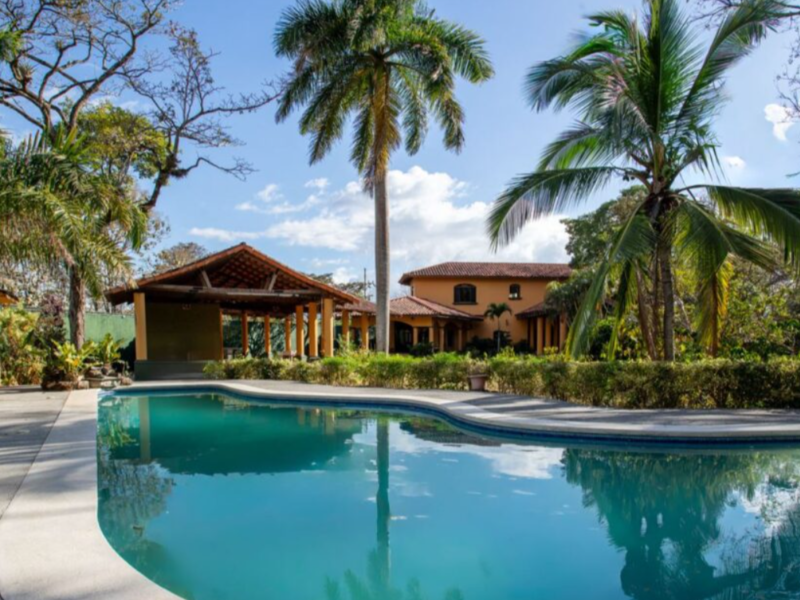
A listing can show you a beautiful pool, tropical garden and incredible view. It can't tell you how the road feels, whether you like the neighborhood, how hot or breezy it is in the afternoon, or whether you would be happy making that drive into town every day.
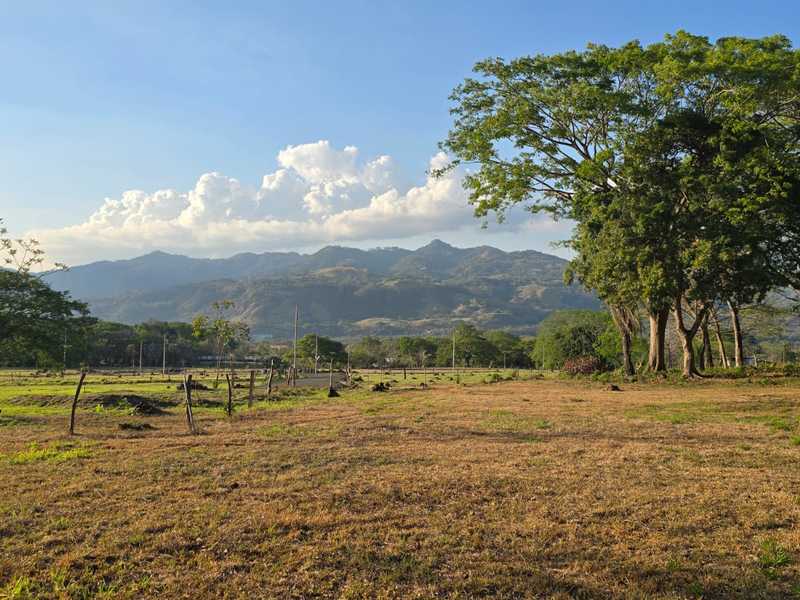
This is especially true around Atenas, Costa Rica. You can drive a relatively short distance and find a very different elevation, climate, view and lifestyle.
That's why one of my first questions isn't necessarily “How many bedrooms?”
It's:
“How do you see yourself living here?”
Close to town or tucked away in the mountains? A gated community or complete privacy? A manageable garden or lots of land? Full-time living, retirement, investment or a vacation home?
Once we understand that, the search becomes much easier.
You Found a House You Love — Now What?
This is normally where the fun part starts to feel a little more serious.
You've found a house. You love the view. You can already imagine your furniture on the terrace.
Now we need to look at the property with slightly different eyes.
What is included in the sale? How is the access? What do we know about the water? Where are the property boundaries? Are there things we need to investigate further?
If you decide you want to move forward, we discuss an offer and the conditions that are important to you.
And this is also where your real-estate agent and your lawyer become two very different but equally important parts of the process.
What Does Your Real-Estate Agent Do?
I see my role as much more than showing properties.
As your agent, I help you understand the different areas, select properties that fit what you're looking for, arrange showings, communicate with the seller or seller's agent and help negotiate the price and terms.
During the buying process, I also help coordinate everything that needs to happen between the different parties.
And I believe part of my job is to point out the things you might not notice when you've fallen in love with a property.
If I see something that concerns me, I want to discuss it with you.
A beautiful view shouldn't make us forget to ask about the road, the water or the boundaries.
At the same time, there is a clear limit to my role.
I'm your real-estate agent, not your lawyer.
I can help identify questions that need answers, but the legal work belongs with your Costa Rican lawyer.
When Does the Lawyer Come In?
I recommend having an experienced Costa Rican real-estate lawyer involved when you're ready to purchase.
Your lawyer represents your legal interests in the transaction.
Once you are moving forward with a property, the lawyer can review or prepare the appropriate purchase agreement and begin looking into the legal side of what you're buying.
This is an important distinction:
Your agent helps you navigate the property, location, negotiation and practical buying process. Your lawyer handles the legal side and legal due diligence.
We work together, but we have different responsibilities.
And when you're buying a home in a country that isn't your own, I think having that separation is very important.
The Offer and Purchase Agreement
Once you've decided that you want the property, we work on the offer.
Of course, price matters—but there can be much more to an offer than price.
We may need to discuss what stays with the property, the timing of the transaction, the deposit, the due-diligence period, closing date and any particular conditions that are important to you.
Once the main terms have been agreed upon, the transaction moves into the contractual stage and your lawyer becomes closely involved.
One thing I always believe:
Never be afraid to ask questions.
If you're signing something and don't understand it, ask your lawyer to explain it. Don't sign something simply because someone tells you, “That's how we always do it here.”
It's your purchase. You should understand it.
Due Diligence — What Are We Actually Checking?
This is probably one of the most important parts of buying property in Costa Rica.
It's also not the exciting part.
Nobody comes to Costa Rica dreaming about surveys, title searches and paperwork.
But this is where we slow things down and make sure the beautiful property you fell in love with is properly checked before you complete the purchase.
Your lawyer handles the legal due diligence. Depending on the property and transaction, this can involve reviewing matters such as registered ownership, liens or mortgages, the registered survey or plano, legal access, taxes and other relevant legal documentation.
But legal paperwork isn't the only thing I want my buyers to think about.
We also need to look at the physical property.
Why I Recommend a Home Inspection
I generally recommend having the house professionally inspected.
Even a home that looks immaculate can have things you won't notice during a showing.
Depending on the property, an inspector can look at areas such as the roof, electrical system, plumbing, moisture, drainage, structural condition, pool and other parts of the home.
This is particularly relevant in Costa Rica. We have strong sun, humidity and a rainy season, and all of those can affect a house over time.
An inspection isn't necessarily about finding a reason not to buy.
It's about understanding what you're buying.
I'd much rather discover something during the buying process than after you've received the keys.
What About the Survey and Property Boundaries?
This is another area where I encourage buyers to ask questions.
Properties have survey information, commonly referred to as the plano, but depending on the property, it can also make sense to have a qualified surveyor or topographer check the physical situation.
This can be especially useful when you're buying a larger property, rural land, a property with unusual access, or when the exact boundaries are important for what you plan to do.
One simple thing to remember:
Don't automatically assume that the fence you see is the legal property boundary.
If it matters, verify it.
Water, Access and the Less Exciting — but Important — Things
A pool sells the dream.
Water and access make the property work.
They may not be the things that attracted you to the listing, but they are questions we shouldn't ignore.
Where does the property's water come from? What is the situation with access? If you're buying land and planning to build, are there additional matters that need to be checked before assuming you can build what you have in mind?
Different properties require different checks, which is why your agent, lawyer, inspector, surveyor and other professionals may all play a role at different moments.
Nobody needs to do everybody else's job.
The important thing is making sure the right person checks the right thing.
Getting Ready for Closing
Once the due diligence has been completed satisfactorily and the conditions of the purchase have been met, you can start preparing for closing.
For international buyers, there can also be practical requirements around transferring money and documenting the source of funds.
This is something worth discussing early with your lawyer and the professionals handling the financial side of the transaction. It's much nicer to have everything ready than to discover shortly before closing that additional documents are needed.
Your lawyer will guide you through the legal closing process and explain the documents and transfer of the property.
And Finally… The Keys
This is obviously my favorite part.
After the searching, driving around, negotiations, paperwork, inspections, questions and due diligence, suddenly you're standing there with the keys to your own home in Costa Rica.
And hopefully by then you haven't just found a beautiful house.
You've found the right place.
One Last Piece of Advice
Take your time.
Ask questions—even the ones you think might be silly.
Use your due-diligence period properly. Have a good lawyer. Inspect the house. Check the survey and boundaries when appropriate. Understand the water and access.
And most importantly, don't choose a property based only on how you feel during a one-hour showing.
Stand outside for a while.
Listen.
Look around.
Drive to town and back.
And try to imagine an ordinary Tuesday living there, not just a vacation day.
Because ultimately, my job isn't simply to help you buy a house.
I want you to still love the decision after you've actually lived here.
Thinking About Buying Property in Atenas, Costa Rica?
If you're considering buying property in Costa Rica, particularly in Atenas or the surrounding Central Valley, you don't need to arrive knowing exactly how everything works.
We can start with a conversation about what you're looking for and the kind of life you imagine here.
Then we explore.
And when we find the right property, we bring the right professionals together and take it from there.
Because finding a beautiful house is one thing. Finding the place that truly feels like home is what matters.
Get in touch with us today
Cynthia was amazing!! Her knowledge of everything Costa Rican made the whole process of buying our first home in Atenas effortless. She walked us through every step of the way and never hesitated to answer our endless questions. We had complete confidence in her and her team. On top of all of that, she is also a genuinely great person! My husband and I feel lucky to know her. Do not hesitate contact her for your real estate needs. She's truly the best!
”We highly recommend Cynthia for your real estate needs. She helped us purchase our house and worked very diligently for us during the process. The house was our dream,checking all the boxes, we knew it was the one for us. The sale wasn't an easy one. There were regisstration and government paperwork concerns corrected as a condition that we didn't know of or realize. Cynthia identified the concerns and made us inderstand it was in our best interest to have the concerns corrected as a condition of the sale as they could affect us in the future If we decided to sell. Cynthia took on getting everything in order for us to proceed with the purchase. She definitely went above and beyond for us in making our dream home a reality.
Even after the sale, when we had a question that didn't pertain to the sale or Cynthia's responsibility, she helped us. She asnwered our questions, made recommendations and put us onto the right people to help us. Her knowledge, experience and work ethic is second to none. Cynthia is the one to have in your corner.
”Gunther was our realtor when looking for a house and took great care to listen to our wants and needs and found us a beautiful home. He was very attentive to all the necessary information needed for closing and our closing was completed without any issues.
We wanted to do some upgrades and changes to the house a d he continues to go above and beyond our expectations. He has beed there for us every step of the way and couldn't be happier with our decision. He has a great asset to Coldwell Bankers and I highly recommend them.
”Our experience with Coldwell Banker was very positive. This purchase was not an easy one and required a great deal of patience on our side. Thoughout the process,Didier did everything within his power to ensure that the transaction could go through succesfully.
”